Members
Steven Stufflebeam, M.D., Principle Investigator; Director of Clinical Magnetoencephalography, Martinos Center

I received my B.S.E in BioEngineering from the University of California, Berkeley, and my M.D. from the Health Science and TechnologyDivision of Harvard Medical School and the Massachusetts Institute of Technology. My residency in Diagnostic Radiology was completed at the University of California, San Francisco (UCSF) in the Scholar's Program, with Board Certification in Diagnostic Radiology. This was followed by a fellowship in diagnostic neuroradiology at UCSF. I completed post-doctoral fellowship at the MGH/NMR Center, sponsored by the ISMRM & Nycomed-Amersham.
The purpose of the laboratory is to understand how the brain functions in both health and disease. I'm particularly interested in using non-invasive imaging technology to understand how the brain represents and processes information. My specific research interests include epilepsy, brain tumors, schizophrenia, and computational models directed at understanding functional neuroimaging data.
 Linda Douw, Ph.D. Post-doctoral Research Fellow at the Martinos Center.
I received my MSc in Clinical Neuropsychology at the Free University in Amsterdam, The Netherlands in 2006. After graduating, I continued the research I started during my Master's on functional connectivity and neural networks in brain tumor patients, at the VU University Medical Center in Amsterdam, using MEG. I finished my PhD on the interplay between cognition, epilepsy and tumor from a network perspective in 2010. In my current research, I hope to use multimodal imaging combined with connectivity and network analysis to first understand more about cognition in epilepsy patients. My second aim is to apply these analyses in theclinical setting of epilepsy surgery.
 Matt DeSalvo, M.D. Resident in Radiology MGH
Matt is a Resident in Diagnostic Radiology at MGH. He plans to become a neuroradiologist.
Taha Gholipour, M.D. Epilepsy Fellow, BWH. I am a clinical neurologist and epilepsy fellow at Brigham and Women's Hospital. My reserach interests are in developing advanced imaging methods for pre-surgical work up of people with drug-resistant epiepsy, and to translate advanced imaging techniques (including functional connectivity MRI and high-feild 7T imaging0 to eveyday patient care. I received my M.D. from Tehran University of Medical Sciences in Iran, and did a research fellowship in funcitonal imaging and EEG/fMRI at Montreal eurological Institute, Canada. I finished my medical internship, neurology residency, and clinical year of epilepsy felllowship at Massachusetts General Hospital and BWH.
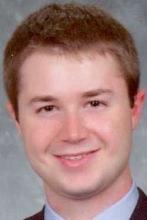 Matthew Hibert, B.S., Research Assistant.
Matt attended Tufts University as an undergraduate and would like to attend medical school.
 Noam Peled, Ph.D. Post-doctoral Fellow. I'm mainly interested in analysing neuroimaging data from multi modalities: fMRI, MEG, iEEG, etc, and how each modality relates to the others. I'm also interested in decoding human behaviour using the dynamics of the neuroimaging data and their facial expressions.
Academic background:
2015 - present: postdoc fellow in the Radiology department io Massachusetts General Hospital, Harvard Medical school, under the supervision of Dr Steven Steven Stufflebeam. My research focuses on building tools and the analysing of neuroimaging data from fMRI, MEG, iEEG, etc.
2013 - 2015: postdoc fellow in the Gonda Multidisciplinary Brain Research under the supervision of Prof Moshe Bar. My research focused to decoding decision making using the MEG, rumination study in health subjects and information transfer via facial expressions.
2007 - 2013: PhD in the Gonda Multidisciplinary Brain Research direct neuroscience track, under the supervision of Prof Sarit Kraus and Dr Kobi Gal. My research focused on predicting human strategic decisions using facial expressions, and building agents for negotiations and revelation with human subjects in strategic games.
2005 - 2007: M.Sc. in Life Science, Mina & Everard Goodman Faculty of Life Science, Bar-Ilan University. Thesis entitled: "Robust estimation and probability distribution of parameters in compartmental neuronal models".
2002 - 2005: B.Sc. in Mathematics and Biology (as major subjects), Bar-Ilan University.
 Nao Suzuki, B.A. Research Assistant.
I received my B.S. in Psychology from Salem State College in 2009. I am interested in language and memory function of brain. I am currently learning neuroimaging techniques such as fMRI and fcMRI.
 Naoro (Naoaki) Tanaka , M.D., Ph.D. Instructor, Harvard Medical School; Neurophysiologist, MGH
I received my M.D. (1996) and Ph.D. (2003) from Hokkaido University School of Medicine (Japan). I did my residency in Department of Neurology and Psychiatry at Hokkaido University Hospital (Japan) and did my specialty training in the clinical epilepsy program. I also worked in the field of clinical MEG, including both clinical application and research, and had experienced over 300 MEG patients with epilepsy and brain tumor. My current research interests focus on the analysis of epileptic discharges in the brain, using new techniques of MEG and EEG. I strongly believe that we can make progress in understanding of epilepsy network, which causes various types of propagation of epileptic discharges, by improving MEG and EEG technologies.
Stufflebeam Laboratory Alumni
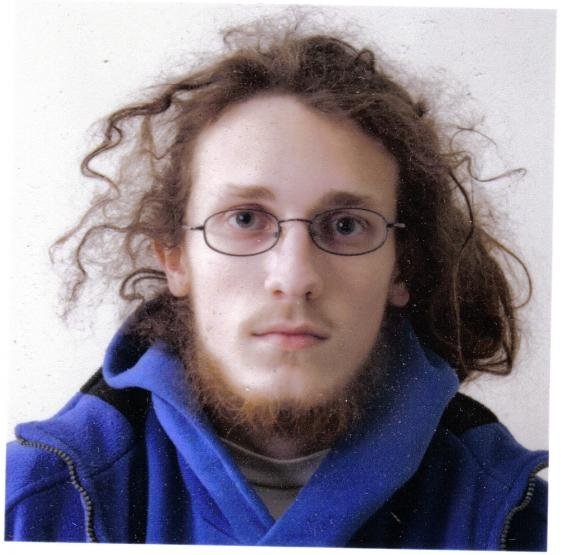 Roan LaPlante, B.S. Research Assistant.
I received my B.S. in Psychology and Computer Science from Brown University in 2012. Currently I am developing interactive software to change the way connectivity data is visualized. I also work with Cathy Kerr's group studying the neural oscillations of attentional modulation and meditation. My long-term research interests also include the neural correlates of personality differences, personality modeling, and programming languages theory.
 Alex Haslund, Summer Student
 Claus Reinsberger, M.D., Ph.D.Assistand Professor, Harvard Medical School; Dept of Neurology, Brigham and Women's Hospital.
I received my M.D. (Dr.med.) from the Ruhr-University in Bochum, Germany (2002) and finished a PhD (Dr. rer.medic.) program in Sports Medicine at the University of Paderborn, Germany (2005). During my residency in Neurology in Zuerich (Switzerland) and Wuerzburg (Germany) I spent a visiting fellowship in Steven Stufflebeams lab and intensified my interests in multimodal imaging, specifically EEG, MEG, quantitative MRI and fMRI and its applications in clinical settings, predominantly epilepsy. After a fellowship in Clinical Neurophysiology at Brigham and Women’s Hospital and Board certification in Neurology (Germany) and Clinical Neurophysiology (American Board of Clinical Neurophysiology and Germany) I aim to apply and utilize these modalities in patients with epilepsy to explore and understand epileptogenesis and ultimately improve diagnosis and treatment. My main interests are surgical planning in drug refractory epilepsy, epilepsy and dementia, and effects of physical exercise on seizures.
 Shigetoshi (Shige) Takaya, M.D., Ph.D., Visiting Assistant Professor, Human Brain Research Center, Kyoto University Graduate School of Medicine
 Roberta Zanzonico, M.D. Research Assistant.
I received my M.D. (2010) from Campus Bio-Medico University, Rome, Italy.
I have been conducting research in neuroscience, and I am interested in cutting edge technologies applied to medical research and practice. At the Stufflebeam lab I have the opportunity to work on a variety of projects, learning every day about a multitude of imaging techniques, such as DTI,
fcMRI, perfusion studies and EEG/MEG studies. My aim is to use multi-modal neuroimaging techniques to improve clinical and surgical interventions for patients with neuropsychiatric disorders.
 Anne Gallagher, Ph.D. Post-doctoral Research Fellow in Neurology
I received my BS (1999) and my MPs(2001) degrees in Psychology from Laval University in Quebec City, Canada, and my PhD degree (2008) in Neuropsychology (Research and Intervention) from University of Montreal. My PhD thesis aimed to develop noninvasive presurgical techniques (mostly epileptogenic focus and language functions localization) using NIRS, EEG and ERPs in children and adults with epilepsy. In my current research projects, I use MEG, EEG, MRI and NIRS to investigate the functional cerebral reorganization in infants, children and adults with infantile spasms, epilepsy and tuberous sclerosis complex and to better understand the neuropathophysiology underlying these disorders. I am very interested in the use of multimodal neuroimaging techniques for clinical applications in babies, children and adults patients, especially with epilepsy.
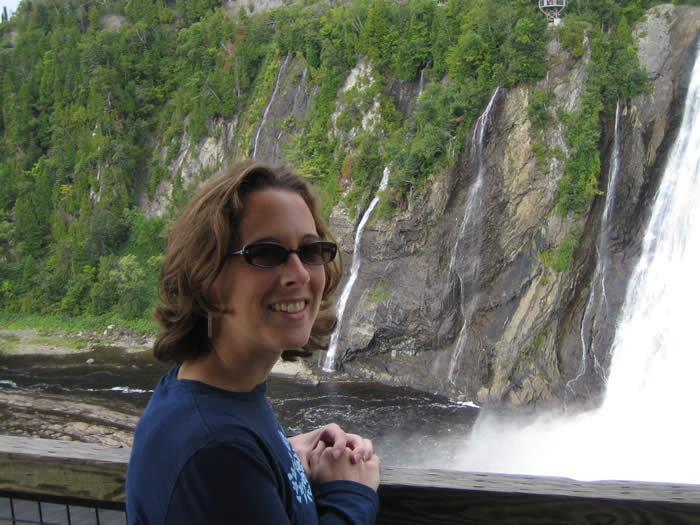
Margo McKenna Benoit, M.D., Research Fellow in Pediatric Otolaryngology
Affiliations: Children's Hospital Boston & Massachusetts Eye and Ear Infirmary, Massachusetts General Hospital
I received my B.S. in Biology/Neurobiology at Cornell University, and my M.D. from the University of Buffalo School of Medicine. In between my 2nd and 3rd years of medical school, I spent one year in Washington, D.C. as a Howard Hughes Research Scholar (the Cloister Program) at the National Institutes of Health. I worked in the Laboratory of Brain and Cognition with Leslie Ungerleider, studying the effects of attention on emotional processing using functional MRI (fMRI). I am currently a resident in Otolaryngology at Harvard University/Massachusetts Eye and Ear Infirmary. I completed two years of surgical training before starting the research component of my residency with Steve Stufflebeam at the Martinos Center and Don Eddington of the Cochlear Implant Research Laboratory at MEEI.
I am primarily interested in audiovisual integration in the human brain, and my current project involves using non-invasive neuroimaging techniques such as fMRI and MEG to study speech processing in healthy and hearing impaired subjects. I am ultimately concerned with how surgical interventions such as cochlear implants affect the developing auditory system.
Keiko Hara, M.D.
Post-doctorate research fellow
INTERESTS: Using MEG to understand epilepsy.
Mike Ho, Ph.D.
Mamiko Hayashi (Ishitobi), M.D., Ph.D, Post-doctoral Research Fellow
I received my M.D. (1995) and Ph.D. (2002) from Tohoku University School of Medicine, Sendai, Japan. I worked in the area of pediatric neurology, especially epilepsy. I was trained in clinical MEG in Sendai from beginning in 1998 and continued clinical use of MEG in epileplsy until 2005. I've been at the Martinos Center since 2005, using MEG in order to have better understanding of the nature of epilepsy, and to improve MEG as a tool of presurigcal evaluation of intractable epilepsy patients.
Fa-Hsuan Lin, Ph.D., Instructor in Radiology, MGH
Interests: Spectral Analysis of MEG, fast functional MRI techniques. Winner of ISMRM Young Investigator Award 2006.
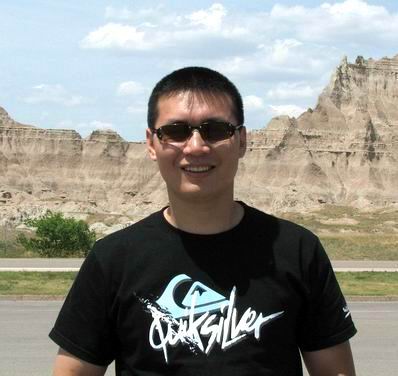
Hesheng Liu, Ph.D. Instructure Harvard Medical School
I received my BS degree (1997) and Ph.D degree (2003) in biomedical engineering from Tsinghua University, Beijing, China. I am interested in EEG/MEG inverse problems, epilepsy, cognitive psychology and brain computer interface. Now I am learning multi-modal neuroimaging techniques (EEG, MEG, fMRI, etc) and try to use these imaging methods in clinical/cognitive studies.
Elizabeth Mayne, Ph.D. (M.D. HST Student, Harvard Medical School)
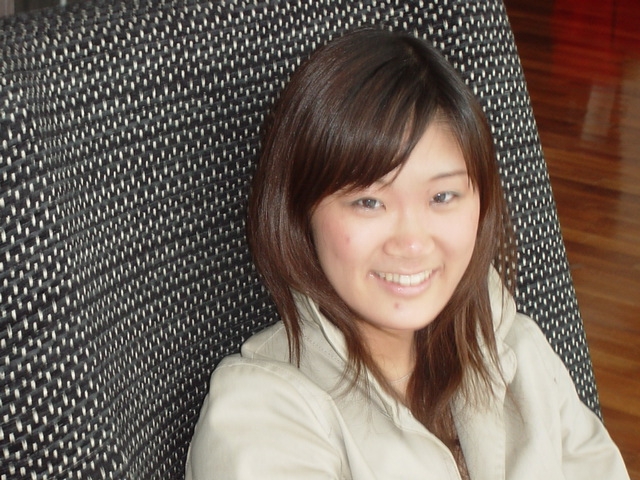 Natsuko Mori, BA, MEG Chief Technologist.
I received BA in Psychology from Thiel College in 2006.
I am interested in studying about neurological disorders, such as schizophrenia or Alzheimer's desease.
Hideaki Shirashi, M.D., Ph.D.

Dan Wakeman, B.S., Graduate Student, Cambridge Unversity.

Daniel Goldenholz, Ph.D, M.D.
My undergraduate degree was electrical and computer engineering at the University of Wisconsin-Madison. I am currently working towards my combined MD/PhD degree through Boston University, with my PhD at the Biomedical Engineering department (advisor: Lucia Vaina). My PhD work has focused on multimodal imaging with MEG, EEG, MRI and fMRI. I'm interested in questions like: what makes MEG different from EEG, and how can different functional imaging modalities be combined in a statistically meaningful way to map out cognitive functions. My true quest: to find techniques/methods/technologies that will improve the lives of epileptic
patients.
 Balaji Lakshmana, B.S.E., Research Technician.
Behroze Vachha, M.D. Neuroradiologist, Memorial Sloan Kettering Cancer Center
RSNA Fellowship Awar winner.
Collaborators outside the Martinos Center and MGH
Lucia Vaina - Boston University
Nancy Kopell -
Boston
University
Eliane Kobiashi - Montreal Neurological Institute
Stephan
Heckers - Duke University
Peter Siekmeier - McLean Hospital
Yue Chen - McLean Hospital
Robert
McCarley - VA Brockton, MA
Kevin
M. Spencer - VA Brockton, MA
Ronald
Kikinis - Brigham and Women's Hospital
Anders Dale -
University of California, San Diego
Co-Mentor on K-08 Grant Superior
Temporal Gyrus function in Schizophrenia
Alex Golby -
Brigham & Women's Hosipital
Joseph Madsen - Boston Children's Hospital